Choosing between dip powder and gel polish can be confusing when both promise durable, attractive nails. Each system has its own method, look, and level of maintenance, so it helps to understand how they differ before you book your next manicure.
iNAILS in Moncks Corner offers both dip powder and gel polish services so clients can choose the option that fits their lifestyle, habits, and preferences. Neither method is automatically better than the other; each is ideal in specific situations, depending on what you need from your manicure.
How Each System Works
1. Dip Powder Application Process
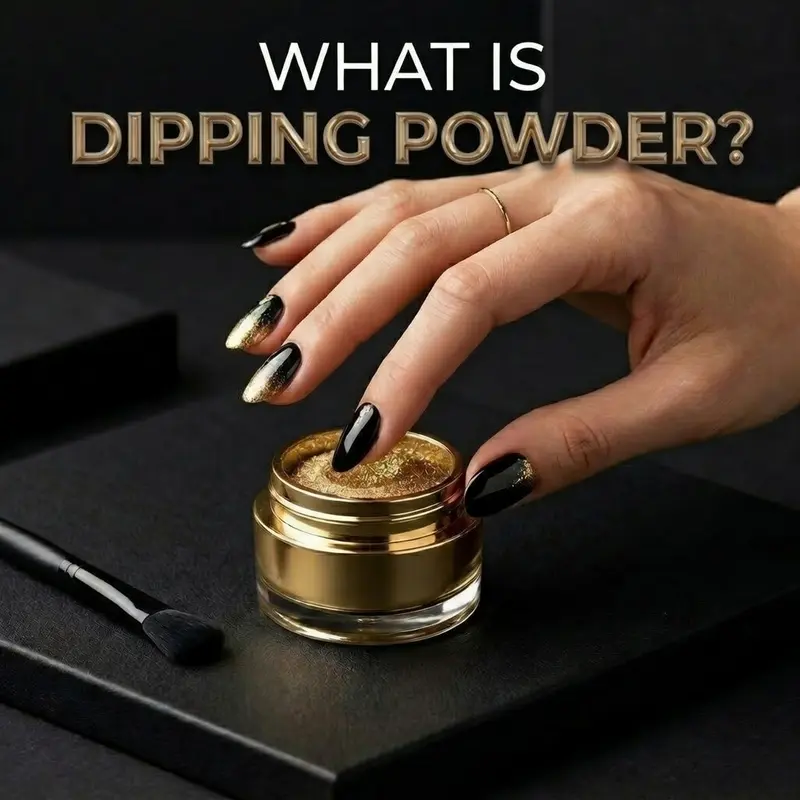
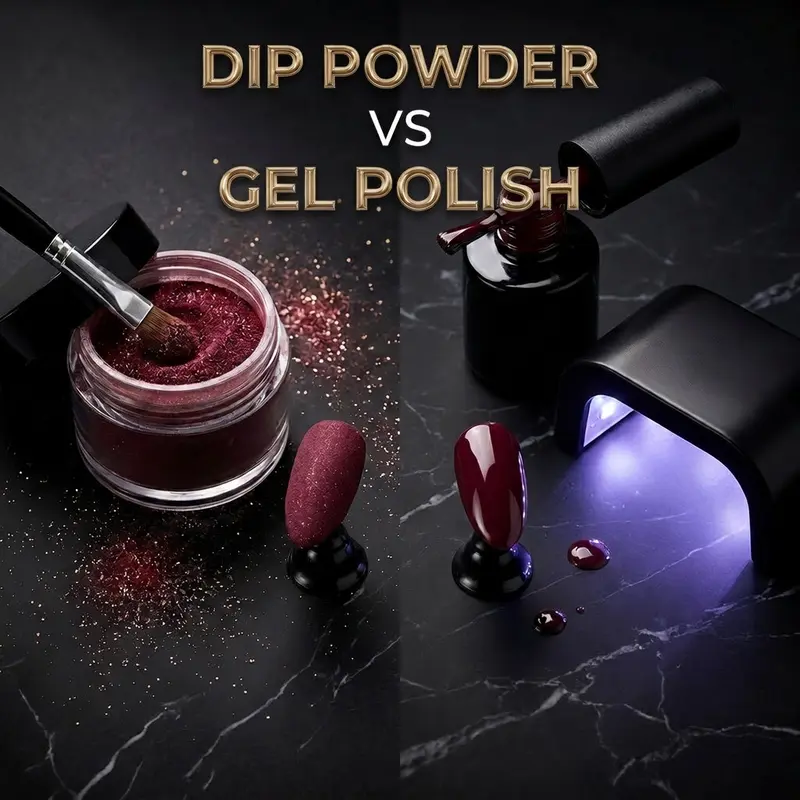
Dip powder creates a firm, protective coating by layering colored acrylic powder over the natural nail. Your technician applies a bonding liquid, dips the nail into the powder, and repeats this sequence two or three times to build coverage. An activator is then used to harden the layers before the surface is shaped, smoothed, and finished with a sealing top coat.
This system cures through a chemical reaction between the liquid and powder, so it does not require a UV or LED lamp. Many clients like that it avoids light curing and eliminates waiting with hands under a lamp between steps.
A typical dip powder manicure takes around 45 to 60 minutes, which is comparable to many gel services. While there are more stages involved than with gel polish, the dipping motion can be easier to manage than painting perfect brush strokes. Some clients find it simpler to achieve even coverage this way.
2. Gel Polish Application Process
Gel polish is applied in thin layers similar to traditional nail lacquer, but each coat must be cured under a UV or LED light. Your nail professional brushes on a base coat, color coats, and top coat, curing each layer for roughly 30 to 60 seconds. The end result is a shiny, durable finish designed to last for weeks.
If you are used to regular nail polish, the gel process feels familiar because it still relies on brush application. This allows for precise placement near the cuticle and along the edges, as well as detailed nail art when desired. Color is built up slowly with multiple thin coats, keeping the nails feeling light.
Total service time usually falls between 30 and 45 minutes, including curing. Once each layer has hardened under the lamp, the nails are fully set, so you can leave the salon and use your hands right away without worrying about smudging.
Durability and Longevity Comparison
1. How Long Each Lasts
Dip powder often holds up for about three to four weeks without noticeable chipping. The sturdy, reinforced coating tends to resist daily wear better than many other manicure types. Clients who are tough on their nails frequently find that dip powder outperforms gel in demanding conditions.
Gel polish usually maintains its appearance for roughly two to three weeks before showing signs of wear. How long it lasts depends on the brand, the quality of the application, and how you use your hands. Well-applied, high-quality gel can stay intact for about three weeks, while products or applications of lower quality may chip earlier.
With both options, the most common reason to return to the salon is visible regrowth at the cuticle instead of actual damage. Even if the coating is still in good shape, your nails will look grown out after several weeks, so this growth window becomes a practical limit for both systems.
2. Resistance to Chipping
Dip powder forms a thicker, harder shell, giving it strong resistance to chips and breaks. Layered powder can absorb more impact and pressure than thinner coatings, making it a good fit for clients who need maximum toughness from their nails.
Gel polish, by contrast, is more flexible. This flexibility lets the coating move with the natural nail, which can help prevent cracking, but it also means it may pick up fine scratches or edge wear sooner. The tips of gel-coated nails often show subtle wear faster than dip-coated tips.
Your daily routine plays a major role in which system will last longer for you. If most of your work is typing or light office tasks, the flexibility of gel may be enough. If you frequently perform hands-on tasks or expose your nails to more stress, dip powder’s rigidity may provide better protection.
Application and Removal Differences
1. Ease of Application
Applying dip powder involves more individual steps, but it can be forgiving when it comes to achieving even coverage. Because your nails are dipped or the powder is sprinkled on, you avoid visible brush marks that sometimes appear with gel. This can help create consistent results, even when minor imperfections occur during application.
Gel polish demands a steady hand and careful brush control. Uneven lines or streaks are more noticeable with gel than with powder. However, when a skilled technician applies gel, the precision allows for very clean edges and intricate designs that are more difficult to achieve with dip powder.
Regardless of the system, thorough nail preparation is essential. Cleaning, shaping, and removing surface oils are equally important for both dip and gel. The main difference lies in how the product is placed on the nail, not in how the nail is prepped.
2. Removal Process
Both gel polish and dip powder are removed using acetone. Because dip powder creates a thicker, more rigid layer, it usually needs a longer soak time. Removal often takes about 15 to 20 minutes, while gel polish can typically be soaked off in about 10 to 15 minutes.
If removal is rushed or done improperly, either system can cause damage to the natural nail. Scraping at product that has not fully softened, or peeling it off, can thin and weaken the nails underneath. Allowing enough soaking time so the product breaks down thoroughly is crucial with both methods.
Some clients feel that gel comes off more easily simply because there is less product to dissolve. When both are removed patiently with proper soaking and gentle pushing of the product, they can be taken off without harming the natural nail plate.
Look and Feel Comparison
1. Thickness and Natural Appearance
Gel polish usually leaves a thinner, more natural-looking layer on the nail. Because the coats are light and minimal, the nails feel close to their natural thickness. This makes gel a popular choice for those who want a subtle enhancement rather than a noticeably built-up coating.
Dip powder adds more bulk and creates a firmer surface, which some people notice in everyday use. The nails feel more rigid and less flexible than bare nails or thin gel. Some clients appreciate this extra structure and protection, while others prefer a finer, more natural feel.
Both options can deliver a smooth, glossy finish that looks polished and professional when properly applied. From appearance alone, it can be difficult to tell whether someone is wearing gel or dip unless you are familiar with the subtle differences.
2. Weight and Comfort
Because gel polish is applied in thin layers, it tends to feel light on the nails. If you have never worn nail enhancements before or prefer a barely-there sensation, this can make gel more comfortable. Most people adjust quickly because the nails do not feel significantly heavier.
Dip powder generally feels more substantial, especially when applied to all ten nails. Many clients like the sense of strength and support it provides, while others may find the added weight noticeable when typing, texting, or doing detailed tasks.
Sensitivity to weight and thickness is personal. Trying both systems can help you decide which feels more comfortable for your day-to-day activities.
Color and Design Options
1. Color Selection
Both dip powder and gel polish come in a wide range of colors, from soft neutrals to bold brights and deep tones, along with various effects. Dip powders often feature rich solids and glitter shades where the pigment is integrated directly into the powder, giving a distinct depth to the color.
Gel polish behaves more like traditional paint, which makes mixing and layering colors easier. The variety of gel lines on the market provides a vast selection of shades and finishes. Techniques like ombre and gradients are typically simpler to execute with gel due to its brush-on application.
2. Nail Art Possibilities
Gel polish is usually preferred for detailed nail art. The ability to paint directly on the nail lets technicians create precise shapes, fine lines, and complex designs. Layers of different gel colors and specialized tools can be used to build intricate looks.
Dip powder lends itself well to solid colors, glitter, and certain special effects, but very fine detail work is more challenging. Because the product is applied by dipping or pouring, it does not offer the same pinpoint control as a brush. Some designs combine both systems by using dip for strength and color, then adding gel on top for artwork.
Cost Considerations
1. Service Pricing
In many salons, dip powder manicures are priced slightly higher than gel polish services. This difference often reflects the amount of product used and the additional application stages. Actual pricing, however, can vary depending on the salon and local market.
Because dip typically lasts longer than gel for many clients, the higher upfront cost can balance out over time. If gel manicures are refreshed every two weeks while dip lasts closer to four, you may need fewer dip appointments across the year.
2. Long-Term Value
When comparing the two services, it is helpful to think about overall cost rather than only the price of a single visit. More frequent, lower-priced gel appointments can add up to a higher yearly total than less frequent, slightly more expensive dip services.
Your time is also part of the value equation. Fewer visits mean fewer hours spent in the salon, which can matter if you have a busy schedule. Longer-lasting manicures may be worth a higher individual service price for the convenience they provide.
Which System Is Better for Your Needs?
1. Choose Gel Polish If
Gel polish is a strong choice if you prefer a natural-looking, lightweight finish with good durability. It suits clients who like to change colors more often, since removal is generally a bit quicker than with dip. Gel is also ideal if you enjoy detailed nail art or custom designs.
Some people with easily irritated skin or sensitivities may favor gel because it typically involves less bulk product on the nail. The thinner layers mean less overall exposure to ingredients, which some clients find more comfortable.
2. Choose Dip Powder If
Dip powder is well-suited for clients who are hard on their hands and want maximum strength and wear time. It is a good option if you prefer to stretch the time between salon visits and do not mind a thicker coating on your nails. It also appeals to those who would rather avoid UV or LED exposure.
Clients with nails that tend to break, split, or peel often appreciate the added reinforcement of dip powder. The durable layer can help protect the natural nail as it grows, providing support similar to other strengthening systems while using a different application approach.
Book Your Next Nail Service
Exploring both dip powder and gel polish can help you discover the finish, feel, and maintenance schedule that best match your daily life. A professional technician can walk you through the options and recommend what suits your nail condition and routine.
When you are ready, you can schedule a manicure with the system that fits your needs now, knowing you can always switch or alternate in the future. The goal is a long-lasting result that keeps your nails looking polished and feeling comfortable.
📞 Call to book: (843) 482-0203
📍 Location: 116 Foxbank Plantation Blvd Unit D, Moncks Corner, SC 29461
Experience tailored nail care and finish your visit with nails you love at iNAILS.