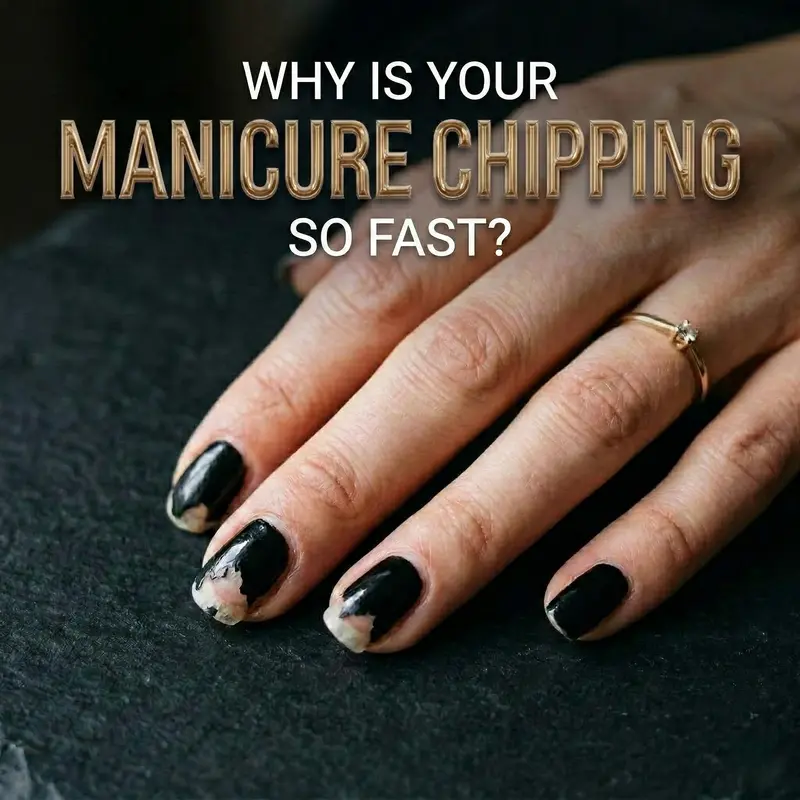
You leave the salon with flawless nails, but within just a few days the polish starts to chip. This common and annoying issue often leaves people feeling like they wasted their money. In most cases, fast chipping comes from identifiable causes that you can address.
At iNAILS in Moncks Corner, we help guests understand why their manicures do not last and what they can change for better wear. Sometimes the problem comes from how the manicure was done, but just as often it relates to aftercare and daily habits. When you know what leads to early chipping, you can get more from every appointment.
Common Reasons Manicures Chip Quickly
Poor Nail Preparation
The key to a long-lasting manicure is proper nail prep. If nails are not thoroughly cleaned and prepared before polish goes on, nothing applied afterward will adhere correctly. Even high-quality polish fails quickly on poorly prepped nails.
Natural and product oils on the nail plate stop the polish from bonding. These oils come from your skin, creams, and your nails themselves. Proper preparation removes all oils with a cleanser or alcohol before applying any base coat.
Dead skin on the nail surface also reduces adhesion. When cuticles are not pushed back or removed correctly, polish painted over that skin lifts quickly. The polish grips the dead tissue instead of your nail, and that tissue sheds naturally within a few days.
Lightly buffing the nail surface improves adhesion by gently texturing the plate. Over-buffing, however, weakens the nail. Finding the right level of buffing takes skill and experience.
Using Your Hands Too Soon
Polish needs time to fully harden, even when it feels dry. Gel polish cured under a lamp is set immediately, but regular polish continues to cure for hours. Using your hands normally too soon can disrupt this process.
Water exposure in the first few hours is especially harmful. Washing dishes, showering, or even frequent handwashing can cause layers of polish to separate or bubble. Water seeps between layers that have not fully bonded, creating weak spots.
Physical pressure on fresh nails also causes problems. Typing, texting, opening containers, or any activity that presses on the nails can cause dents or chips before the polish is fully hard. Even sleeping can affect very fresh manicures if you move your hands a lot.
Most nail professionals suggest avoiding water for at least two hours and heavy hand use ideally until the next day. This patience often results in a much longer-lasting manicure.
Water Exposure and Moisture Damage
Water is one of the main reasons manicures break down. When nails stay in water, they expand; as they dry, they contract. This cycle of expansion and contraction puts stress on the polish, leading to chips and peeling.
People whose hands are often in water usually see faster chipping. This includes those in healthcare, child care, food service, and anyone who washes their hands frequently. Repeated wet-dry cycles wear down even well-applied polish.
Hot water is even tougher on manicures than cold water because it causes more expansion. Long hot showers, baths, or washing dishes in hot water speed up polish breakdown. Heat also slightly softens the polish, making it easier to damage.
Wearing gloves during wet tasks extends manicure life significantly. Rubber gloves for dishwashing and cleaning protect nails from water and harsh cleaners. This simple step can greatly increase how long your manicure looks good.
Harsh Chemical Exposure
Cleaning products, hand sanitizers, and similar chemicals can quickly weaken nail polish. The solvents in these items slowly break down polish the way remover does, just at a slower pace. Regular exposure leads to visible damage over time.
Hand sanitizer is a major concern for many manicures. The alcohol dries both your polish and your natural nails. Using sanitizer several times a day creates constant chemical stress on your manicure.
Products with acetone are especially harsh. Using remover to clean up polish around the nails or fix small mistakes can damage any finished areas it touches. Even frequent exposure to acetone fumes can affect how long your polish lasts.
Household cleaners, styling products, and some lotions can also contain ingredients that degrade polish. Being aware of what touches your nails and using gloves with strong products helps protect your manicure.
Using Nails as Tools
Any time you use your nails to open cans, peel labels, scrape surfaces, or similar tasks, you stress both the polish and the natural nail. These actions create tiny chips, cracks, and lifting that may start small but worsen quickly.
The nail tips are the most likely place for chipping. This is where the polish is thinnest and where most impact occurs. Using nails as tools focuses pressure on this fragile area and almost always leads to chips.
Even seemingly light activities can cause damage if repeated often. Typing with longer nails, opening cans, fastening tight clothing, and many daily motions add stress to your manicure. The build-up of these small stresses can match the damage of one strong impact.
Training yourself to reach for actual tools instead of your nails takes effort but makes a big difference. Keeping scissors, openers, and small tools nearby makes it easier to protect your manicure.
Technical Reasons for Fast Chipping
Thin Polish Application
For polish to last, it must be thick enough for strength but thin enough to dry or cure fully. When very thin coats are used to save time or product, they may not hold up to everyday wear. Stress can pass through thin layers and affect the nail.
Very thick coats cause a different issue. They often do not dry or cure all the way through. The surface may feel firm, but the lower layers stay soft. This softness makes the polish easier to dent or separate, and thick layers can peel in larger sections.
Professional application typically uses several thin coats instead of one or two thick ones. This builds protection while letting each layer harden completely. Though it takes longer, this method offers better durability.
Inadequate Base and Top Coat
Base coat is a key part of a lasting manicure, not an optional extra. Skipping it or applying it improperly weakens the entire service. The base coat forms a strong bridge between your nail and the color that neither could create alone.
Top coat protects the color underneath. Without enough top coat, even strong color polish can chip quickly under daily wear. The top coat absorbs most of the impact that would otherwise damage the color.
Both base and top coat should wrap over the free edge of the nail. This seals the tip, where most chips begin. Many at-home manicures skip sealing the edge, leaving an easy starting point for chipping.
Improper Curing for Gel Polish
Gel polish needs proper curing under the right lamp for the correct time to harden fully. If curing is incomplete, the gel stays partly soft and can chip, peel, or dent soon after application. It may look fine at first but fail quickly once you start using your hands.
Using a lamp that does not match the gel type also causes issues. Some gels are made for LED, others for UV. The wrong light source may not cure the polish properly, even with extra time. The lamp should always match the product instructions.
Curing time is just as important as lamp type. Cutting the curing time to move faster usually leads to more problems later. Following the recommended curing times helps ensure the gel reaches full strength.
How to Make Your Manicures Last Longer
Understanding the reasons behind chipping helps you prevent it. Most early wear comes from manageable causes rather than bad luck or poor service. Adjusting a few habits can greatly improve how long your manicures stay smooth.
Protect your nails in the first 24 hours by limiting water and avoiding heavy hand use. Wear gloves for wet work or when using cleaning products. Use tools for opening, scraping, or prying instead of your nails. Applying cuticle oil daily can also help keep the polish flexible.
If your hands go through a lot each day, gel polish may be a better choice than regular lacquer. Shorter nail lengths can also help if you type often or do hands-on work. You can also talk with your nail technician about products that work well for nails that chip easily.
Booking regular touch-ups instead of waiting until your manicure is badly damaged helps maintain your look. A refresh or new top coat around the two-week mark can extend the life of your color and keep everything looking polished.
When to Question Your Salon
If your manicures consistently chip within two or three days even with good care, the main issue might be the application. Weak technique, rushed work, or lower-quality products can all cause manicures to fail no matter how careful you are afterward.
Well-applied gel manicures usually last at least two to three weeks with normal use. Regular polish should hold up for about a week for many people. If your nails never meet these timeframes, you may want to consider trying another salon or technician.
If your manicure fails quickly, it is reasonable to speak up. Reliable salons stand behind their services and will correct problems when needed. If a salon will not address repeated issues, it may be time to go elsewhere.
Get Longer-Lasting Manicures
Chipping does not have to happen after just a few days. When you know what causes polish to fail and take simple steps to prevent it, your manicures can stay fresh for much longer.
📞 Call to book: (843) 482-0203
📍 Location: 116 Foxbank Plantation Blvd Unit D, Moncks Corner, SC 29461
For beautiful, durable nails that stay looking their best, choose iNAILS.