Dipping powder has quickly become a regular nail service that many salons now include on their menus. It offers a distinct alternative to classic gel and acrylic nails that many clients consider an upgrade. If you have heard of dip nails but are unsure what they involve or why they are so popular, you are not alone.
At iNAILS in Moncks Corner, dipping powder has become one of the most frequently requested options. Clients appreciate the long wear, the application process, and the finished look. Knowing what dipping powder is and how it works can help you decide if it suits your nail needs.
What Is Dipping Powder?
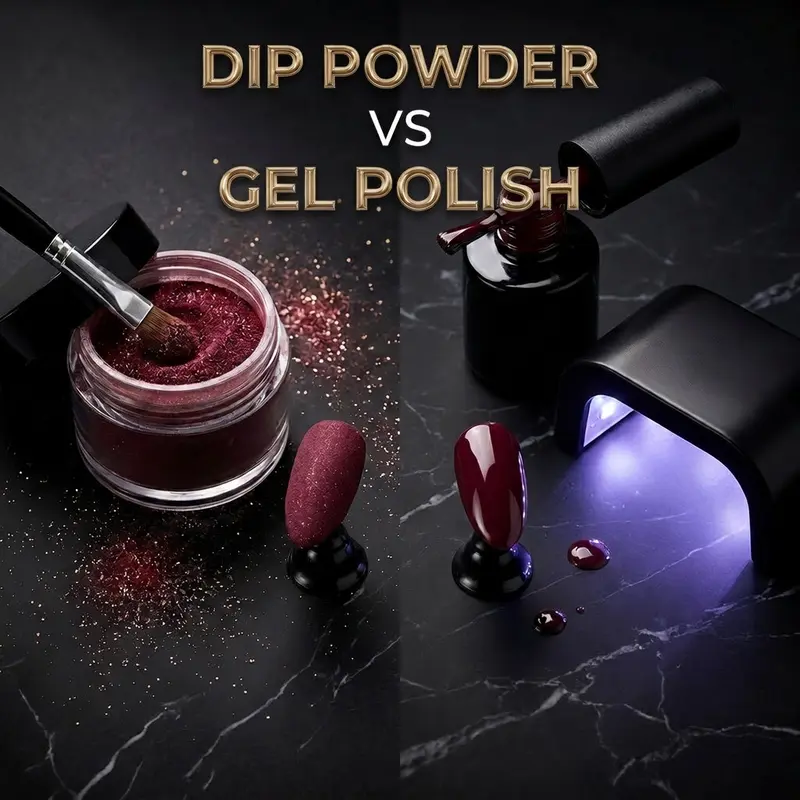
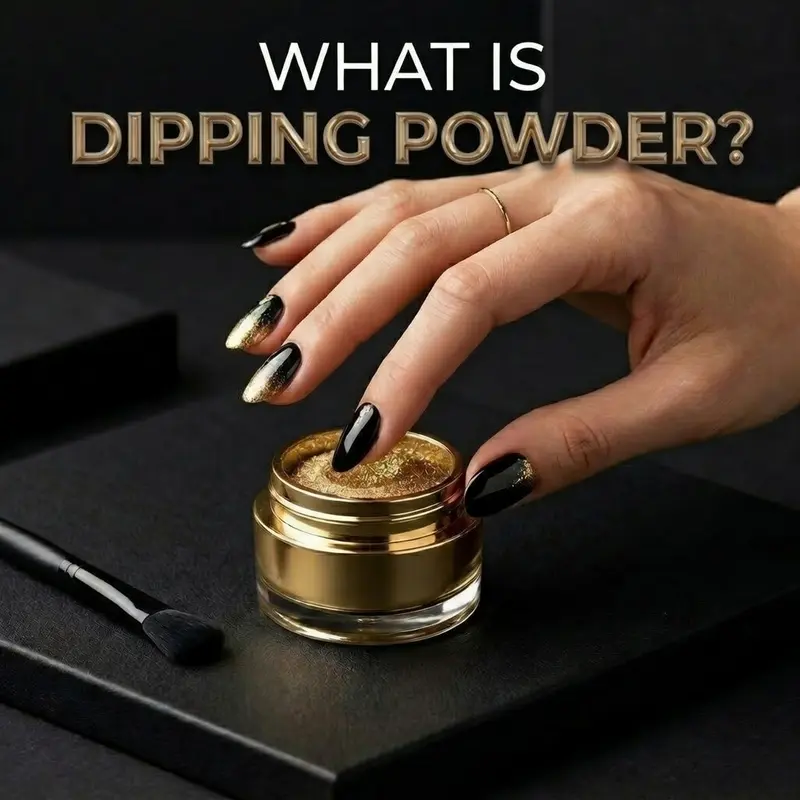
Dipping powder is a nail enhancement system that uses finely ground acrylic powder combined with a bonding liquid to form a firm, resilient layer on the nails. Unlike gel polish, which cures under UV light, or traditional acrylics mixed with a liquid monomer, dip powder hardens through a chemical reaction when it touches the bonding agent.
Its name comes from the way it is applied. Your technician brushes on a base coat, then dips your finger into a container of colored powder. The powder clings to the tacky base, and this step is repeated until the right coverage and thickness are achieved. A sealant is applied at the end to secure the layers.
Developed in the 1980s, the system became widely popular in the 2010s as formulas, color ranges, and techniques improved. What started as a niche service is now a common choice in many nail salons.
How the Dipping Powder Process Works
Application begins with basic nail preparation, including shaping, cuticle work, and gentle buffing to help the product adhere. Nails must be completely clean and dry for dip powder to bond correctly. Any remaining oils or moisture can interfere with adhesion.
Your technician then applies a bonding liquid and immediately dips the nail into the powder. The powder attaches only where the liquid is placed, creating a precise layer. This step is usually repeated two or three times, depending on the desired strength and opacity.
After the last dip, extra powder is brushed away and the nails are refined into their final shape. An activator is applied to fully harden the product, forming a solid structure. A top coat is then added to seal and create a glossy finish.
The service generally takes about 45 to 60 minutes, similar to many gel manicures. Because it does not require UV curing, it appeals to those who wish to avoid UV lamps. Once the final top coat is applied, the nails are dry and ready for normal use.
Why People Love Dipping Powder
1. Exceptional Durability
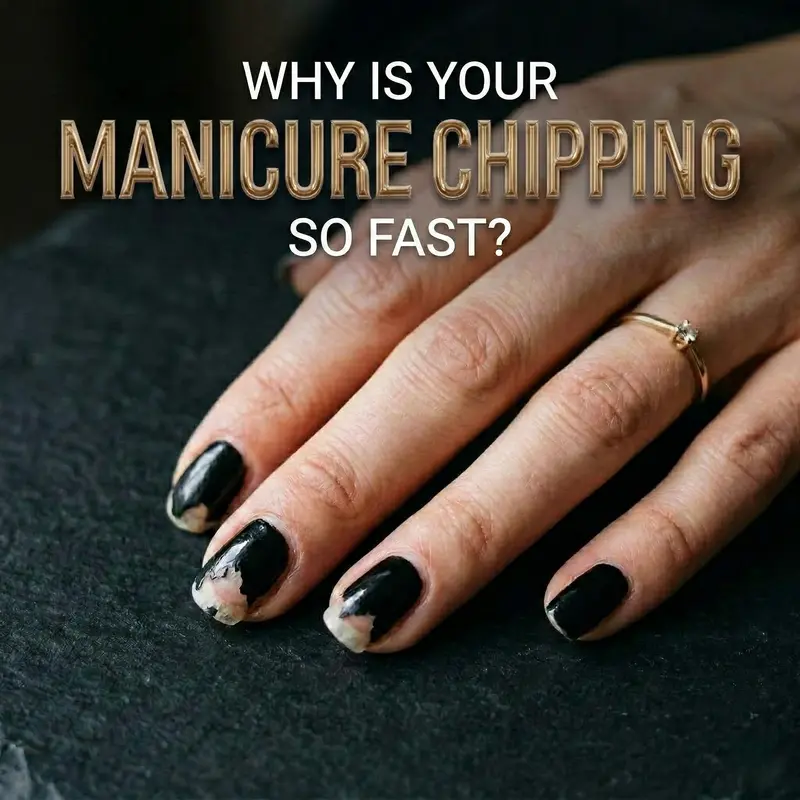
A main advantage of dipping powder is its long wear. Many clients enjoy three to four weeks without significant chipping or lifting. The hardened shell helps guard the natural nail against daily impact that would quickly damage standard polish.
This strength comes from both the structure of the powder and how it bonds with the nail surface. Instead of sitting only on top like regular polish, dip powder fuses with the prepared nail via the bonding liquid. The result is a more secure attachment that resists lifting and peeling.
People who are rough on their hands often value this extra durability. Those in fields such as healthcare, food service, or other active jobs often find that dip nails last in conditions where gel polish fails within days. This can make dip services a cost-effective choice even if the initial price is higher.
2. No UV Light Required
Dipping powder sets through a chemical reaction, not through UV light. This can be reassuring for anyone who prefers to avoid UV exposure from nail lamps. While opinions differ about the actual risk, removing UV from the service eliminates that concern.
Because the product air-dries between steps, there is no need to wait under a lamp. This can make the appointment feel more interactive, even if the overall time is similar. You stay engaged with the process instead of pausing for curing.
Some people also feel their nails do better without repeated UV exposure. Whether the benefit is physical or simply peace of mind, comfort with the process matters. If you prefer services without UV, dip powder is an appealing option.
3. Lighter Than Acrylics
Traditional acrylic enhancements can feel weighty, especially for those new to nail extensions. Dipping powder offers similar reinforcement with a noticeably lighter feel. The thinner layers still provide strength without the bulk.
This lighter structure is often more comfortable for daily tasks such as typing, texting, or detail work with your hands. Enhancements can feel more natural, which is helpful for first-time wearers adjusting to longer or stronger nails.
The slimmer profile also tends to look more natural. Dip powder can give a refined appearance that is less obviously artificial. This subtle look is often preferred in professional settings where bold, dramatic nails may not be ideal.
4. Wide Color Selection
Dipping powders are available in a broad range of shades and finishes, including creams, shimmers, glitters, and specialty looks. Because the color is built into the powder rather than painted on, it can create a distinctive depth of color compared with regular polish.
As dip systems have grown in demand, the selection of colors continues to expand. Clients can choose from classic tones, everyday neutrals, and fashionable or seasonal options. Many salons stock several lines to give clients more variety.
Technicians can also layer different powders to blend shades or create ombre effects. This allows for custom looks that can be more challenging with other products. The creative options are comparable to, and sometimes greater than, those offered by gel polish.
Potential Drawbacks to Consider
Even with many benefits, dipping powder may not suit every client. The technique requires practice, and inexperience can result in nails that appear thick or uneven. Working with a technician who is comfortable and skilled with dip powder is important.
Removal needs to be done gently. Because the product cures into a very hard layer, it must be soaked off with acetone in a process similar to removing gel. If the product is peeled or filed off aggressively, the natural nail can be damaged. Some people notice weakening with frequent dip use, often due to improper removal rather than the powder itself.
The traditional dipping method, where more than one client’s fingers enter the same powder jar, can also raise sanitation questions. Many salons address this by pouring fresh powder, sprinkling it over the nail, or using single-use portions to avoid contamination. If this is a concern, you can ask how your salon handles hygiene for dip services.
Dipping Powder vs. Other Enhancement Systems
When compared with gel polish, dipping powder tends to be harder and longer-wearing but can take more time and effort to remove. Gel is usually simpler to apply and remove but may chip sooner. Your choice may depend on whether you favor ease and flexibility or maximum durability.
Against traditional acrylics, dipping powder is generally lighter and does not rely on strong-smelling monomer liquids. Acrylics, however, can be better suited for very long extensions and detailed repairs. For moderate length with strong wear, many clients find dip powder to be a good fit.
In contrast with BIAB and other builder gels, dip powder is more rigid and resistant to chipping but offers less flexibility. Builder gels often support natural nail growth because of their bend and cushion. If your main goal is to improve nail health, a builder gel may be preferable, even though dip powder is very durable.
Caring for Dipping Powder Nails
Daily care for dip nails is simple. Applying cuticle oil regularly keeps the skin around the nails from becoming dry and helps maintain a neat look. Wearing gloves when using cleaning products or doing dishes adds an extra layer of protection against harsh chemicals.
Avoid using nails as tools to pry or scrape, as this can still cause cracking or lifting. Even though dip powder is strong, it is not unbreakable. Treating your nails with care helps preserve the manicure and protects the natural nail underneath.
Plan for regular infills or removal before too much growth appears. Leaving dip powder on for too long can lead to lifting or breakage as the product grows out and loses support near the cuticle. Consistent maintenance every three to four weeks keeps your nails looking polished and reduces the risk of damage.
Book Your Dipping Powder Manicure
Dipping powder can provide long-lasting color, a polished finish, and a comfortable feel for everyday wear. Choosing this service with professional care helps you get durable results while maintaining the health of your natural nails. A consultation with an experienced technician can help you decide if this system matches your lifestyle and preferences.
📞 Call to book: (843) 482-0203
📍 Location: 116 Foxbank Plantation Blvd Unit D, Moncks Corner, SC 29461
For beautiful, lasting nails in a range of styles, visit iNAILS.