
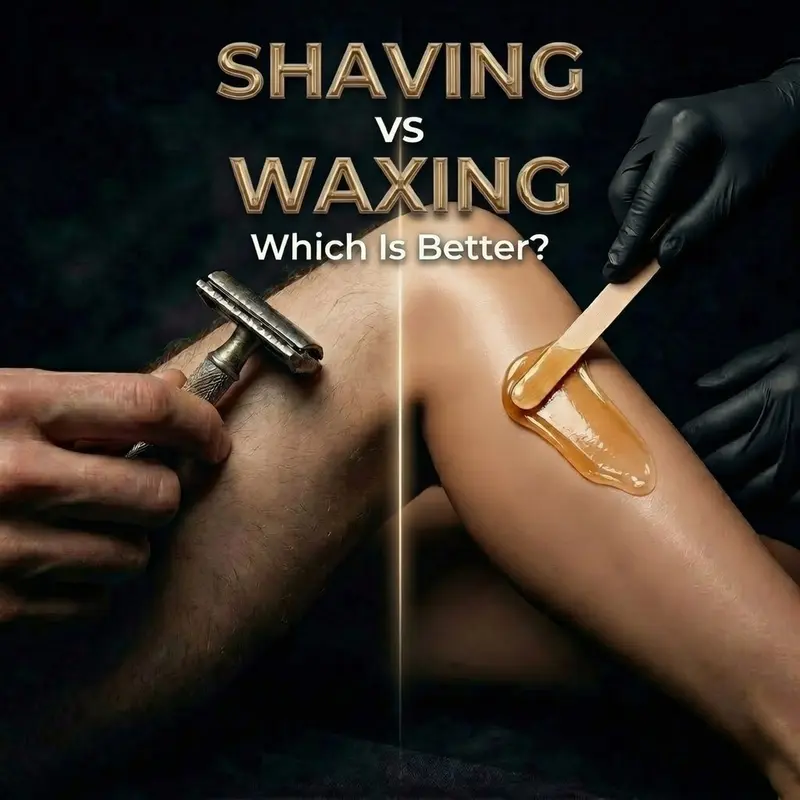
Removing unwanted body hair is a personal grooming choice many people make for comfort, appearance, or hygiene. Shaving and waxing are the two most commonly used methods, and each comes with its own set of pros and cons. The better option depends on what you value most, such as convenience, pain level, budget, and how you like to maintain your routine.
Understanding how shaving and waxing work, what results they deliver, and what you can expect before and after each service helps you choose the method that fits your needs. There is no single solution that works best for everyone; the right choice is the one that aligns with your body, schedule, and preferences.
How Each Method Works
1. Shaving: Cutting Hair at Skin Level
Shaving removes hair by slicing it off right at the surface of the skin with a razor blade. The hair root stays beneath the skin, and only the visible part of the hair is trimmed. This makes shaving quick and typically painless, but the outcome is short-lived.
The process is simple and easy to do at home. You usually need a razor, some type of shaving cream, gel, or foam, and a few minutes of time. Because it is fast, low-effort, and inexpensive, many people rely on shaving for their regular grooming routine.
Since shaving only targets the part of the hair you can see, it grows back quickly. Most people notice stubble again within one to three days, depending on their natural hair growth rate. To keep the skin feeling smooth, shaving needs to be repeated frequently.
2. Waxing: Removing Hair from the Root
Waxing pulls hair out from the root. Warm wax is applied over the hair, a strip or similar material is pressed on top, and then the strip is removed in a quick motion. As the wax grips the hair, it removes both the visible portion and the part under the skin.
Waxing takes more preparation and skill than shaving, and many people choose to have it done by a trained professional for more consistent results. Factors like wax temperature, how thick it is applied, and the direction and speed of removal all influence comfort and effectiveness.
Because waxing lifts hair from the root, it takes longer for it to grow back to the surface. Most people experience smooth skin for about three to six weeks, depending on their individual growth cycle. This longer-lasting smoothness is one of the main benefits of waxing compared with shaving.
Comparing Results and Longevity
1. Duration of Smoothness
One of the key differences between shaving and waxing is how long the skin stays smooth. With shaving, skin typically remains smooth for only one to three days before stubble becomes visible again. With waxing, you can usually expect three to six weeks of reduced hair growth before it becomes noticeable.
This variation in duration changes how often you need to manage hair removal. Shaving often turns into a daily or every-other-day task. Waxing, by contrast, is usually scheduled as a recurring appointment every few weeks, which reduces how often you have to think about hair removal.
Waxing does require some regrowth before the next session. Hair needs to reach about a quarter of an inch so the wax can latch on properly. That means you will have a short period where hair is visible before it is long enough to wax again.
2. Quality of Results
Waxing generally leaves the skin feeling smoother than shaving because the hair is pulled from beneath the surface. Immediately after a wax, there is no stubble left behind, and the skin feels completely smooth. Shaving, on the other hand, leaves a blunted hair tip at skin level, which can feel slightly coarse even right after you finish.
Waxing can also leave the skin feeling softer because it removes a layer of dead skin cells along with the hair. This mild exfoliation effect can make the area feel extra silky. Shaving does not offer this same benefit and may sometimes lead to dryness or surface irritation.
With regular waxing over time, some people notice that regrowth becomes finer and less dense. Repeatedly removing hair from the root can weaken the follicle, which may result in thinner, softer hair. In some cases, consistent waxing can appear to reduce the amount of hair that grows back.
Pain and Comfort Considerations
1. Shaving: Typically Comfortable
When performed with proper technique and a sharp blade, shaving usually involves little to no pain. Most discomfort comes from issues like razor burn or accidental nicks, especially if the blade is dull or the skin is not adequately lubricated. Using good-quality products and taking your time can help keep shaving almost entirely comfortable.
Some people, especially those with sensitive skin or shaving sensitive areas, may experience irritation. Razor burn, ingrown hairs, and minor cuts are among the most common concerns linked to shaving. Choosing appropriate shaving cream and regularly replacing blades can reduce these problems.
There is no downtime after shaving. You can shower, work out, or continue with your normal activities immediately. This makes shaving an easy option for people who need a fast, low-interruption grooming method.
2. Waxing: Short-Term Discomfort
Waxing does involve a level of pain, particularly during the first few appointments. The feeling of hair being pulled out at the root can be uncomfortable for anyone, but each person’s tolerance is different. Over time, many people find the experience more manageable as they become familiar with the sensation and the process.
The area being treated has a big impact on how waxing feels. More sensitive regions, such as the bikini line, tend to be more painful than areas like the lower legs. The technique and experience of the person performing the wax also influence comfort; practiced professionals can often work quickly and efficiently to reduce discomfort.
After waxing, the skin may appear red or feel tender for several hours to a day. During this time, it is best to avoid hot showers, tight clothing, and direct sun exposure. Planning around this brief recovery window is important when scheduling waxing sessions.
Cost and Convenience Comparison
1. Shaving: Lower Initial Expense
Shaving has a relatively low starting cost. Basic razors and shaving products are widely available and inexpensive. Even if you invest in higher-end razors and quality creams or gels, the upfront price is still generally lower than what you would pay for a single professional waxing service.
Over time, however, the cost of shaving supplies can build up. Replacement blades, creams, gels, and aftercare products must be purchased regularly. When you consider months or years of routine shaving, the running total can surpass the cost of occasional waxing appointments.
Time is another factor. Shaving can take anywhere from five to fifteen minutes, depending on the body area and how thorough you are. Repeating this several times a week adds up to hours of grooming each month, which can feel like a significant time commitment.
2. Waxing: Higher Per Visit, Less Frequent
Professional waxing typically has a higher cost per visit than buying shaving tools and products. Prices vary by body area and provider, and some services may be a moderate expense while others are more costly. This higher per-session price can make some people hesitant to try or maintain waxing.
Because waxing results last for several weeks, you need far fewer appointments than shaving sessions. A schedule of monthly or bi-monthly visits can be easier to plan and budget for than constantly purchasing new razors and creams. Some people prefer this predictable, less frequent spending pattern.
The reduction in day-to-day hair removal effort is also worth considering. Not needing to shave for weeks at a time can save both time and mental energy. For those who prioritize convenience, this trade-off often makes waxing feel worthwhile despite the higher individual session cost.
Skin Health and Side Effects
1. Common Shaving Issues
Frequent shaving can lead to several common skin concerns. Razor burn can cause red, irritated patches that look and feel uncomfortable. This often happens when the blade drags on the skin, pressure is too firm, or there is not enough moisture or lubrication.
Ingrown hairs are another frequent issue. When hair is cut at an angle close to the skin, it may curl back and grow into the skin instead of out of it. This can result in sensitive bumps that may become inflamed or infected if not treated properly.
Shaving also removes part of the outer layer of dead skin cells along with the hair. While some exfoliation can be helpful, doing this daily or very often can lead to over-exfoliation. This may weaken the skin’s protective barrier, causing dryness, sensitivity, and a higher chance of irritation.
2. Common Waxing Issues
Waxing can cause temporary redness and tenderness immediately after the service. This is a normal reaction and generally settles within a few hours to a day. Using calming products and avoiding friction, heat, or harsh ingredients helps the skin return to normal more quickly.
Ingrown hairs can occur with waxing as well, although many people experience them less frequently than with shaving. Regular, gentle exfoliation between waxing sessions can help keep pores clear and reduce the risk of ingrown hairs. Professional waxing services often include or recommend post-care products that support this.
Some individuals may notice small bumps or light breakouts after they begin waxing, particularly when it is new to their routine. These reactions typically decrease as the skin adapts over time. Following proper before-and-after waxing care instructions is key to minimizing these side effects.
Which Method Is Better for Different Areas?
1. Legs
Both shaving and waxing can work effectively on the legs, but waxing tends to keep them smoother for longer. The leg area is usually less sensitive than other parts of the body, which makes it a good candidate for waxing. Because it covers a large surface, shaving can take more time, while waxing can treat a broad area in one session.
Many people choose waxing for their legs during warmer months when shorts, dresses, and swimwear are worn more often. Longer-lasting smoothness means less worry about stubble between outings, trips, or events.
2. Underarms
Underarm hair can be managed with either method. Shaving is often the fastest approach for this small area and is easy to do as part of a daily shower routine. Waxing lasts longer, and by removing more hair and some dead skin, it may help the area feel fresher for a longer period.
Because the underarm region is sensitive, waxing here can be somewhat uncomfortable. However, many people find that the extended smoothness and reduction in stubble make it worthwhile.
3. Face
Facial hair removal requires careful handling because facial skin can be easily irritated. Waxing is often chosen for areas like the eyebrows, upper lip, and chin, as it can remove fine hair cleanly and shape certain areas well. Shaving is usually not preferred for women’s facial hair, as it can create visible stubble and potential irritation.
Making Your Choice
Shaving and waxing each have clear advantages, and neither is automatically better for everyone. Shaving can be the right option if you want a low-cost, at-home method that is quick, generally painless, and easy to fit into your daily routine. Waxing may be the better choice if you prefer longer-lasting smoothness and do not mind short-term discomfort or waiting for regrowth between appointments.
Many people combine both methods depending on the area and the season. For example, you might choose waxing for your legs when you want long-lasting smoothness and rely on shaving your underarms for fast daily upkeep. Mixing approaches in this way can give you flexibility and control over your hair removal routine.
Book Your Hair Removal Service
Choosing the right hair removal method helps you feel more confident and comfortable in your skin. Comparing shaving and waxing by results, comfort, cost, and maintenance makes it easier to decide what fits your routine and preferences. A consistent approach to hair removal can support smoother skin and a grooming schedule that works for you.
📞 Call to book: (843) 482-0203
📍 Location: 116 Foxbank Plantation Blvd Unit D, Moncks Corner, SC 29461
Enjoy smooth, longer-lasting results with professional hair removal services at iNAILS.