Nail polish is such a familiar part of beauty routines that it’s easy to overlook its long history. The colorful bottles you see today reflect more than 5,000 years of change, invention, and shifting culture. What began as a status marker has evolved into a widely available way to express personal style.
At our salon, we use products created from generations of refinement and progress. Knowing how nail polish developed adds a new level of appreciation to the small bottle that changes the look of your nails. The path from early natural dyes to today’s advanced gel options is far more intriguing than many people expect.
Ancient Origins: The First Nail Colors
Historical records trace the first use of nail color to ancient China around 3000 BCE. Members of the royal court combined beeswax, egg whites, gelatin, and plant-based dyes to form shiny lacquers. These colors had clear meaning, signaling rank and position in the imperial order.
Gold and silver were kept for royalty, while softer, subdued shades were worn by those of lower status. This was more than a fashion preference; it was a regulated social system supported by law. Wearing a color above your station could lead to harsh penalties. A glance at your nails revealed your standing.
In ancient Egypt, people also colored their nails, but with different materials and symbolism. Henna was used to stain the nails, and deeper tones reflected higher status. Historical accounts describe rulers favoring rich red and ruby hues. Even in burial practices, nails were tinted to prepare individuals for the afterlife.
The Modern Formula Emerges
The version of nail polish we recognize today did not appear until the 1920s. Its development was influenced by advances in car paint technology. A French makeup artist adapted these innovations for use on nails, creating a formula that dried more quickly and offered greater durability than earlier options.
In 1932, a major cosmetic company released the first widely sold nail polish in a single shade called cream. The product launched alongside a coordinating lipstick, helping define the idea of matching color cosmetics. People could now achieve a smooth, lasting manicure at home without extensive buffing or staining.
This arrival matched a changing social landscape. During the 1920s, more women entered the workforce than ever before. They needed grooming routines that fit into full schedules, and fast-drying nail polish met that need. What had once been a privilege for the elite became more attainable for everyday consumers.
The Golden Age of Hollywood Influence
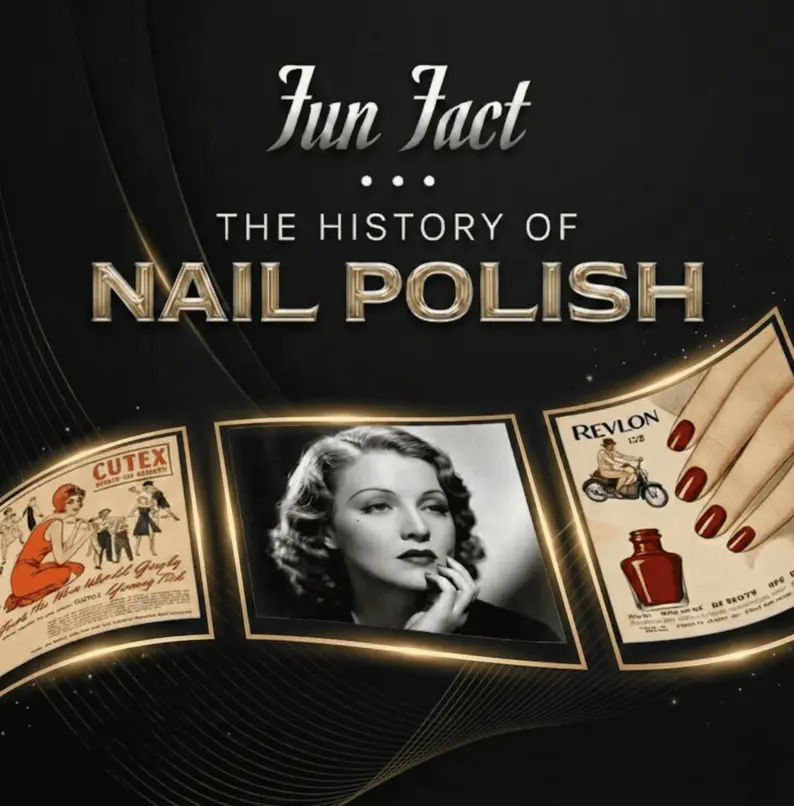
From the 1930s to the 1950s, nail polish became closely tied to Hollywood glamour. Film stars appeared on screen with flawless manicures in vivid reds and deep burgundies. These on-screen looks reached large audiences and helped shape new beauty ideals many wanted to copy.
Leading polish brands of the time expanded their shade ranges and used persuasive advertising. They recognized that customers wanted to mirror the elegance seen in movies. Marketing campaigns highlighted graceful hands and the promise of refined style from a single bottle.
The timeless red manicure became a symbol of femininity and sophistication in these decades. It signaled a well-groomed, polished appearance whether someone worked in an office, managed a household, or attended social events. This period firmly positioned nail color as a key part of a finished look rather than an occasional extra.
Evolution Through the Decades
Each new decade introduced trends that echoed broader cultural changes:
- 1960s: Soft pastels and pearly finishes complemented the mod look
- 1970s: Natural, earthy shades reflected back-to-nature values
- 1980s: Neon brights and striking tones captured a spirit of bold excess
- 1990s: Dark hues and French tips delivered more refined, minimal options
- 2000s: Creative nail art and decorations turned nails into design surfaces
These changes went beyond simple color choices. They mirrored evolving views on femininity, work life, and individuality. Nail polish became a subtle way to communicate personality and priorities without speaking.
The Technology Revolution
Today’s nail polish formulas are a significant step forward from early mixtures. Modern products dry quickly, resist chipping, and are available in an enormous variety of shades. Gel systems provide long-lasting wear that can remain intact for weeks. Breathable options allow air and moisture to pass through to the natural nail. Many lines now avoid harsh ingredients.
UV and LED curing tools reshaped professional nail services. Long-wear gel manicures moved from occasional luxury to a standard offering. This change raised expectations for how long a manicure should last and how polished it should look.
Recent developments also focus on caring for the nail itself. Treatments that strengthen, polishes with added vitamins, and repair-focused formulas reflect the industry’s progress. Clients no longer have to choose between attractive nails and maintaining nail health.
Appreciate the History in Every Bottle
When you pick a nail polish color, you are joining a tradition that spans millennia. The formula in that small container carries influences from ancient practices, classic film glamour, and modern science. Your manicure links you to historical figures, entertainers, and everyday people across time.
Experience the Evolution of Nail Polish
Every manicure is part of a story that began thousands of years ago and continues to develop with new formulas, finishes, and techniques. Choosing professional care helps you enjoy beautiful results while respecting the long heritage behind each bottle of polish. Our team is here to help you explore colors and finishes that reflect both history and your personal style.
📞 Call to book: (843) 482-0203
📍 Location: 116 Foxbank Plantation Blvd Unit D, Moncks Corner, SC 29461
Discover how the history of color, fashion, and innovation comes together in every visit to iNAILS.