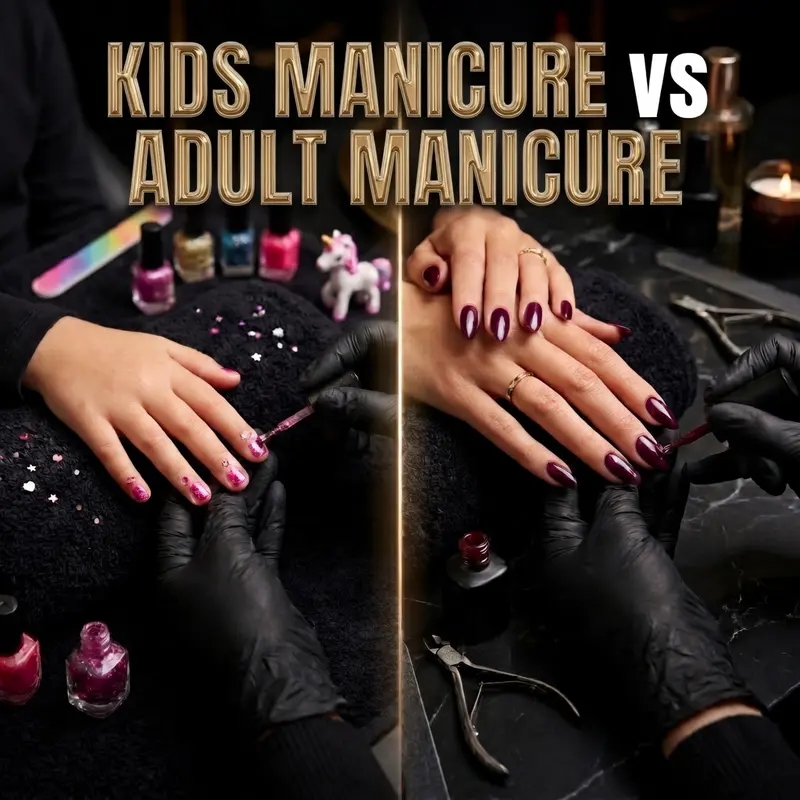
Many parents wonder whether it’s best for their child to get a standard manicure or to opt for a service designed specifically for kids. The distinctions between children’s and adults’ manicures involve much more than nail size or color preference—they also impact safety, technique, and product choice.
iNAILS in Moncks Corner provides specialized manicure services for both kids and adults, ensuring safe and age-appropriate nail care for every client.
How Kids’ Manicures Differ from Adult Services
Parents often assume that adult manicure procedures can be adapted for younger clients, but children’s nails require their own approach. Understanding the main differences helps parents choose the best and safest experience for their child.
1. Nail Development and Structure
Children’s nails are thinner and less robust compared to those of adults. Because their nail plates haven’t fully matured, their nails are more sensitive and easily damaged. This increased porosity also means children’s nails absorb products more readily, making safe, gentle applications essential.
With everyday activity, kids’ softer nails face a greater risk of bending or splitting. Nail technicians trained in working with children adjust their processes to prevent injury or overexposure to chemicals.
2. Cuticle and Skin Sensitivity
The area around children’s nails—including the cuticle and surrounding skin—is particularly delicate. Standard cuticle care for adults can cause discomfort or even allow infections in children. Products that are harmless for adults may cause irritation or reactions in younger skin, so children’s manicures prioritize gentle handling and milder ingredients.
Extra attention is also given to the nail matrix below the cuticle, as it is more vulnerable in kids and important for healthy, ongoing nail growth.
3. Nail Growth Patterns
Kids’ nails typically grow more quickly than adults’ nails. Faster growth means their nails need more frequent maintenance like trimming and shaping. However, this doesn’t translate to the need for frequent salon manicures—simple at-home care between professional visits is usually enough to keep nails healthy.
Safer Product Choices for Children
Young nails benefit from polishes and treatments specially designed to limit exposure to harmful chemicals. Here’s how products change for kids:
1. Non-Toxic Polishes and Treatments
Children’s nail polishes often avoid ingredients like formaldehyde, toluene, and dibutyl phthalate, which can be problematic for developing bodies. Water-based or peel-off polishes offer a colorful option with fewer chemicals, making them a popular choice for children despite being less durable than traditional polish.
Older children transitioning to more conventional polishes should still use formulas labeled as non-toxic or specially formulated for kids, providing both safety and performance.
2. Gentle Polish Removers
Strong solvents like acetone are not recommended for children’s nail care. Instead, non-acetone or water-based removers are typically used to prevent drying and brittleness. Peel-off products can also eliminate the need for chemical removers entirely, especially for younger children. It’s important to avoid using any type of remover too frequently on kids’ nails.
3. Appropriate Moisturizers
Hand and nail moisturizers for children should be unscented and made for sensitive skin. Gentle, food-grade oils such as jojoba or sweet almond oil work well for moisturizing cuticles and are safe even if kids put their fingers in their mouths.
Techniques Tailored to Kids
Manicure procedures for children differ in the following ways:
1. Minimal Cuticle Management
While adult manicures often involve trimming or pushing back the cuticles, children’s services keep cuticle work to a minimum. If any cuticle care is done, it’s done lightly and only for older kids, to avoid damaging delicate skin and underlying growth centers.
2. Light Filing and Short, Rounded Nails
Filing is done gently, using high-grit files to prevent splitting and heat buildup. The aim is to keep nails short and rounded, which best suits active children and helps avoid breakage. Nail shapes seen in adult styles are typically avoided for younger clients.
3. Shorter Session Times
Adult manicures usually last up to an hour, while children’s manicures are streamlined to 15 to 30 minutes. This shorter timeframe matches kids’ attention spans and reduces the likelihood of fidgeting or accidental injury.
Creating a Kid-Friendly Experience
A child’s first few salon visits can shape how they feel about nail care for years to come. Special considerations include:
1. Friendly Communication and Setting
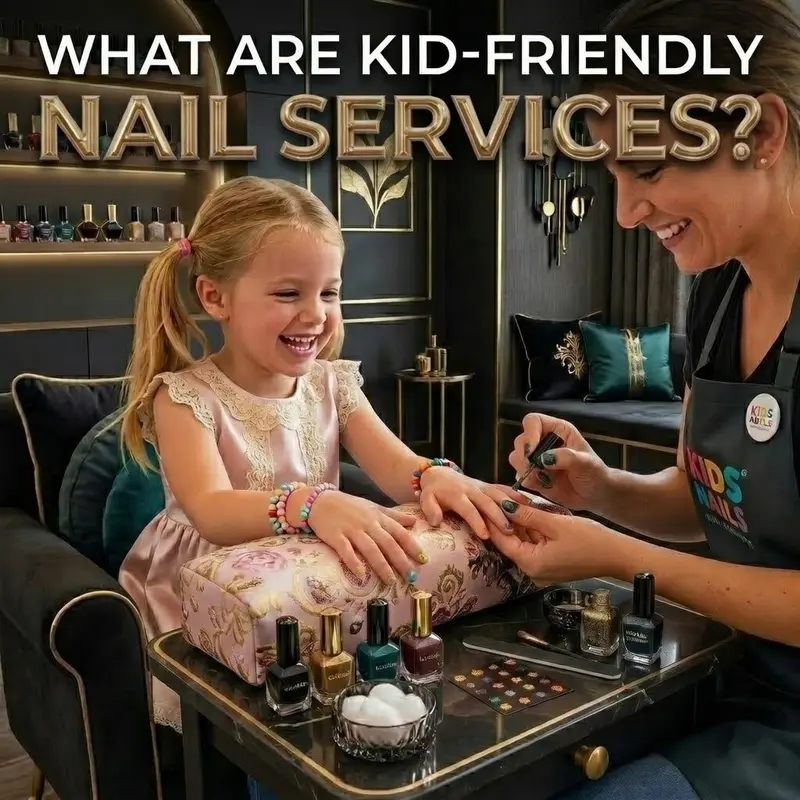
Technicians use clear, age-appropriate explanations and check with the child regularly to make sure they’re comfortable. Salons may offer child-sized seating or fun, colorful décor to make young clients feel at ease and entertained.
2. Teaching Good Habits
Children’s manicures often include tips about nail hygiene, safe trimming, and why it’s best to avoid habits like nail biting. These early lessons encourage lifelong self-care and healthy grooming practices, especially when parents participate in the discussions and reinforcement at home.
3. Emphasis on Fun and Comfort
Instead of striving for adult-level polish perfection, kids’ manicures focus on the enjoyment of the experience. Bright colors, gentle nail art, and fun designs are encouraged, putting the child’s excitement and satisfaction above technical details.
Guiding Kids Through Manicure Stages
There are typical manicure guidelines for each age group so children enjoy safe services that fit their needs:
1. Ages 5-7: Introduction to Nail Care
For the youngest clients, manicures are kept very basic—just gentle trimming, filing, and possibly water-based polish. Sessions are short and focused on introducing children to positive nail care routines.
2. Ages 8-11: Basic Services
At this stage, children can manage slightly more complex services, such as light cuticle care (when needed), shaping, and simple nail art. Sessions last a bit longer and kids may have more say in polish choices or designs.
3. Ages 12 and Older: Transitioning to Adult Techniques
As nails mature, older children and teens can try more advanced options, including non-toxic traditional polish and even gel for suitable ages. Service time can be lengthened and more detailed nail art becomes possible, depending on maturity and nail development.
When to Book Regular Adult Manicures for Children
Most professionals recommend waiting until at least age 16 before teens switch to full adult manicures with standard products and techniques. Growth rates and sensitivity may still vary, so it’s a good idea for parents to check with their technician about readiness and adjust services as needed.
No matter the age, parents and technicians should watch for any skin or nail reactions. If sensitivities develop, returning to gentler products is always best.
Keeping Kids’ Nail Care Safe and Enjoyable
Children’s manicures should maintain a primary focus on safety, comfort, and building healthy self-care habits. By making nail care a positive and stress-free experience, kids learn to enjoy caring for themselves as they grow.
📞 Call to book: (843) 482-0203
📍 Location: 116 Foxbank Plantation Blvd Unit D, Moncks Corner, SC 29461
For safe, age-appropriate manicures using gentle techniques and products, trust iNAILS.