Manicures can help keep nails tidy through cosmetic grooming, filing, and moisturizing. They do not guarantee stronger natural nails or prevent medical nail conditions.
A suitable manicure routine depends on your preferences, nail condition, and the products used. Persistent breakage, irritation, or other changes call for attention rather than more frequent cosmetic treatments.
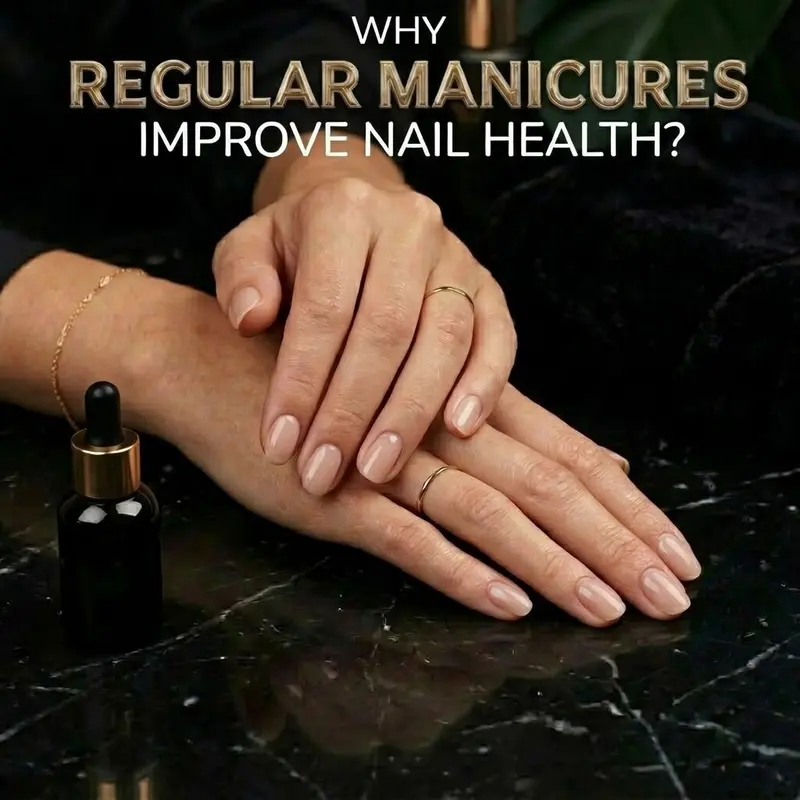
How Regular Manicures Support Nail Health
A manicure may include cleaning, filing, moisturizing, and a chosen finish. Gentle techniques and attention to irritation can help you make informed decisions about cosmetic nail care.
A manicure is a cosmetic service. Gentle cleaning, filing, and moisturizing can complement home care, but a nail appointment does not replace medical assessment of a nail concern.
Gentle Cleaning and Infection Awareness
1. Thorough Removal of Bacteria and Debris
Your nails constantly collect dirt, bacteria, and dead skin. Regular hand washing helps with surface cleanliness but cannot fully address everything. The areas under your nail tips and around the cuticles often retain buildup that daily washing does not reach.
During a manicure, gentle cleaning can remove visible debris around the free edge. Avoid aggressive scraping or injury to the skin; a manicure cannot guarantee that an infection will be prevented.
Keep nails clean and dry, and protect the skin around them. If a nail or the surrounding skin becomes painful, swollen, discolored, or otherwise changes, seek advice from a healthcare professional.
2. Proper Cuticle Maintenance
Cuticles help protect the area where the nail meets the skin. Cutting, tearing, or forcefully pushing them back can damage that barrier.
Ask that your cuticles be left intact. Moisturizing dry cuticles can help keep them comfortable without cutting or aggressive pushing.
Moisturizer or cuticle oil can help with dry skin around the nails. There is no need to remove the cuticle barrier so that a moisturizing product can work.
Early Detection of Nail Problems
1. Catching Issues Before They Worsen
During every manicure, your nails are examined closely. Technicians notice subtle changes in color, texture, thickness, or growth patterns that you might not recognize. This ongoing professional observation works like an early alert system for potential concerns.
Changes such as a lifting nail, persistent discoloration, pain, or swelling may need a dermatologist or another healthcare professional. A nail technician should not diagnose or treat a fungal infection or a painful nail condition.
Certain nail changes may also reflect issues beyond the nails themselves. Shifts in shade, ridging, or altered shapes can sometimes be linked to nutritional, circulation, or other health concerns. When a technician observes these signs, they may encourage you to check in with a healthcare provider.
2. Professional Assessment of Nail Strength
With each visit, your technician can evaluate how strong and flexible your nails are. They can spot if your nails are becoming more brittle, peeling more often, or showing new signs of weakness. This regular assessment makes it easier to adjust your care habits before more serious damage appears.
Discuss cosmetic wear, breakage, and product preferences with your technician. Questions about diet, supplements, or an underlying nail condition belong with a healthcare professional.
Protection from Environmental Damage
1. Creating a Protective Barrier
Polish and enhancement products form a protective coating over your natural nails. This layer helps shield them from daily wear, including water exposure, chemicals, and physical impacts that could otherwise weaken the nail plate directly.
Water exposure is particularly hard on nails because they repeatedly swell and shrink as they absorb and release moisture. Over time, this ongoing expansion and contraction can compromise nail structure. A properly maintained manicure limits water penetration and helps keep conditions more stable.
This protective layer also offers a barrier against cleaning agents, hand sanitizers, and other everyday chemicals. These substances can strip natural oils from your nails, leading to dryness and brittleness. Having protection in place reduces the cumulative impact of these exposures.
2. Giving Nails Recovery Time
Nails do not need continuous polish or enhancement coverage to stay healthy. Check your bare nails between services, and give damaged or irritated nails time away from products. The American Academy of Dermatology recommends breaks between gel or dip powder manicures.
A smooth, finished manicure can also discourage habits like nail biting or picking. When nails look and feel even, you are less likely to pick at rough spots or chew on edges without thinking. This extra layer of behavioral protection helps prevent damage caused by stress or boredom.
Relaxation During a Manicure
1. A Comfortable Hand Massage
Some manicure services include a hand or lower-arm massage for relaxation. Ask what your chosen service includes and request comfortable pressure.
A gentle hand massage may feel soothing. For circulation concerns, seek advice from a healthcare professional.
A manicure does not guarantee faster nail growth or stronger natural nails. If your nails become persistently brittle or change unexpectedly, seek medical advice rather than increasing salon visits.
2. Promoting Flexible, Healthy Tissue
Keep pressure gentle and stop if a massage causes pain or irritation. Massage should not be used to treat restricted nail growth or an unexplained hand problem.
In addition, the calming effect of massage can help reduce stress-related nail damage. Stress often leads to habits like biting nails or picking at cuticles. The relaxation built into regular manicures can support breaking these patterns over time.
Professional Products Make a Difference
1. Higher Quality Than Consumer Options
Products used in professional manicures are often formulated differently from typical retail options. They are designed to nourish the nails while also delivering a polished look. Many salon-only base coats, strengtheners, and treatments are not available for home purchase.
Product effects vary, and salon-only products are not automatically better for nail health. Ask what is being applied and tell the technician about any previous irritation or product reaction.
Nail technicians also understand which products best match specific nail types and concerns. They can tailor the products used during your service to address your particular needs, rather than relying on guesswork at home.
2. Proper Application Techniques
Even excellent products will not perform as well if they are not applied correctly. Professional application ensures that base coats, treatments, and polish adhere properly and deliver their full protective and conditioning benefits.
Technicians are trained in how thick to apply each layer, how long to let products dry or cure, and how to seal edges for maximum durability. These details may seem small, but they make a noticeable difference in how well your nails are protected and how long your manicure lasts.
Make Nail Health a Priority
Regular manicures can be part of a cosmetic grooming routine. Gentle care, suitable products, and attention to changes matter more than assuming that repeated appointments will make natural nails stronger.
📞 Call to book: (843) 482-0203
📍 Location: 116 Foxbank Plantation Blvd Unit D, Moncks Corner, SC 29461
For reliable, professional nail care that supports long-term nail health, choose iNAILS.