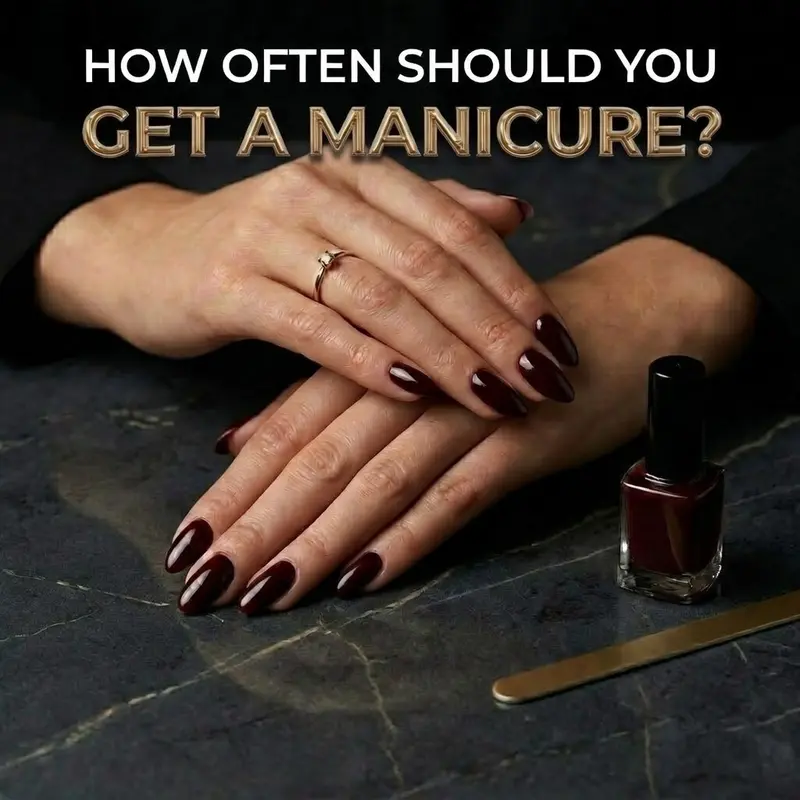
The ideal timing for manicures varies from person to person. How often you should book an appointment depends on your daily habits, nail condition, budget, and the type of manicure you choose. When you understand what affects how long a manicure lasts, you can build a routine that keeps your nails neat and attractive without putting them under unnecessary stress.
Many clients discover that their perfect schedule looks different from friends or family. Some people like the look and routine of weekly visits, while others are comfortable coming in once a month. There is no universal rule, but there are practical guidelines that can help you decide what suits you best.
General Manicure Frequency Guidelines
1. Regular Polish Manicures
Standard nail polish usually looks its best for about one to two weeks before wear becomes obvious. Most people who stick with traditional polish return every seven to fourteen days to keep their nails looking freshly done. Your ideal interval depends on how quickly the polish chips and how much visible nail growth bothers you.
Weekly appointments keep your manicure looking new with virtually no in-between phase. This approach is ideal for those who place a high value on a flawless finish and are comfortable with the time and financial commitment. It is also a good fit for people whose work or lifestyle is especially tough on their nails.
Every-other-week visits offer a middle ground between regular upkeep and convenience. You typically enjoy about a week and a half of perfect nails, followed by a few days of acceptable wear before it is time to refresh. For many clients, this pattern works well with both their schedule and their budget.
2. Gel Polish Manicures
Gel manicures are designed to be longer-lasting than regular polish, often remaining chip-free for two to three weeks. Most clients plan gel appointments within this two- to three-week window. Some can comfortably push to four weeks if their nails grow slowly and the gel remains intact.
In many cases, the visible gap at the cuticle area dictates when it is time for a new gel manicure more than any actual chipping. Even when the gel is still firmly in place, obvious regrowth usually starts to look untidy around the three-week mark. For that reason, three weeks is the realistic upper limit for most people.
Extending gel beyond three weeks can make removal harder and increase the risk of damage. As the product grows out, it may begin lifting at the edges, and taking off gel that has been on the nail for a month or longer often requires more aggressive filing, which can weaken the natural nail underneath.
3. Enhancement Maintenance
Acrylic, dip powder, and similar enhancement systems need regular infills around every two to three weeks. The new growth at the base of the nail must be filled to keep the structure strong and the finish smooth. Leaving enhancements too long between visits can lead to lifting, breaking, and a noticeably grown-out appearance.
Some builder-style products, such as BIAB-type systems, can sometimes be worn for three to four weeks depending on how quickly your nails grow. Their flexibility allows for slightly more visible growth before they start to look overgrown compared with more rigid acrylics.
With enhancements, consistent timing is especially important. Skipping or delaying maintenance makes breakage and damage more likely because the product is no longer balanced on the nail. Regular fills help preserve both the look and the health of your nails.
Factors That Affect Your Ideal Frequency
1. Nail Growth Rate
The speed at which your nails grow has a direct impact on how often you need professional care. Some people see clear regrowth within a week, while others may not notice much change until two or three weeks have passed.
Growth rate is mostly determined by genetics and tends to stay relatively stable throughout your life. Once you have a sense of how fast your nails grow, you can schedule visits to match. Faster growth usually means you will want more frequent manicures to avoid an obviously grown-out look.
Age and overall health can also affect how quickly your nails extend. Nails tend to grow more rapidly when you are younger and slow down over time. Certain medical conditions, medications, or nutritional issues may also influence nail growth.
2. Lifestyle and Hand Use
If you work with your hands, you can expect your manicure to wear out more quickly. Jobs in healthcare, food service, teaching, and manual labor often lead to faster chipping and general wear compared with office-based roles.
Frequent contact with water is another major factor that shortens manicure longevity. When your hands are often wet, polish breaks down faster, even if it was applied carefully. In these cases, you may prefer gel or enhancements for added durability, or plan on more frequent regular polish changes.
Your free-time activities matter as well. Gardening, sports, crafting, and other hands-on hobbies all put extra stress on your manicure. Looking at your typical weekly routine can help you set realistic expectations for how long a manicure will last before it needs attention.
3. Budget Considerations
Because manicures are a recurring service, the cost adds up over the course of a year. Your budget will naturally influence how often you can visit the salon. Weekly gel services, for example, are significantly more expensive annually than bi-weekly appointments with regular polish.
Many clients adjust the level of service they choose based on their current finances. When money is tight, they might opt for simpler polish changes. When they have more flexibility, they may choose gel, enhancements, or extra design work.
Taking care of your nails at home between professional visits can help your manicure last longer and reduce how often you need appointments. Adding a fresh top coat, smoothing small chips, or carefully touching up worn areas yourself can keep your nails looking presentable for more days.
4. Personal Appearance Standards
Your preferred level of polish and the expectations of your workplace both influence how often you book manicures. If you are in a public-facing role or image-focused field, you may feel most confident with weekly appointments. If your environment is more relaxed, you may be happy going longer between services.
Important occasions can also shape your schedule. Many people plan manicures before weddings, holidays, trips, or key work events, even if their usual timing would not have them due yet. Scheduling these extra visits ensures your nails look fresh when it is most important to you.
Some individuals simply feel more put-together with perfectly maintained nails and are willing to prioritize this in both their time and budget. Others are comfortable with a more low-key look and come in less often. The goal is to align your manicure routine with your personal preferences and lifestyle.
Signs You Need a Manicure
1. Visible Regrowth
The most obvious clue that it is time for a new manicure is the gap that appears between your cuticle and where your polish or product begins. Once this space reaches around 3mm, most people feel their nails look clearly grown out. Depending on how quickly your nails grow, this typically happens somewhere between two and four weeks.
Everyone has a different tolerance for regrowth. If you find yourself frequently noticing and feeling bothered by that gap, you likely need to schedule appointments more often. If it does not really catch your eye, you can usually wait a bit longer.
2. Chipping or Peeling
Noticeable chipping at the tips or peeling along the sides of the nail is a strong indicator that you are due for a fresh manicure. Trying to fix extensive damage with quick touch-ups rarely produces a smooth, professional finish. Fully removing and reapplying the product usually creates the best result.
Minor chips can sometimes be disguised by dabbing on a matching shade if you want to stretch your manicure for a few more days. However, once the damage becomes widespread or the structure of a gel manicure is compromised, it is safer and more attractive to start over.
3. Nail Shape Changes
As your nails grow, their shape naturally changes. They may become too long, uneven, or rough at the edges. When you start catching your nails on fabrics or noticing that the overall shape looks less tidy, it is time for professional trimming and reshaping.
Allowing nails to become overly long or misshapen increases the risk of splits and breaks. Regular maintenance keeps your nails at a balanced length and shape, supporting strength and helping you avoid painful or inconvenient breaks.
4. Dry Cuticles or Hangnails
Dry, overgrown cuticles or painful hangnails are clear signs that your hands need attention. These issues usually mean that it has been too long since your last manicure or cuticle treatment. Routine care helps prevent these problems from forming in the first place.
If hangnails are a recurring issue between appointments, you may benefit from slightly more frequent cuticle care or improving your at-home routine with oil or moisturizer. Addressing these concerns early can keep your hands more comfortable and your nails looking neater.
Creating Your Personal Schedule
1. Start with a Baseline
If you are just beginning with regular professional manicures, a good starting point is an appointment every two weeks, regardless of whether you choose regular polish, gel, or enhancements. This gives you a consistent reference point to evaluate how well that timing works for you.
After a few cycles, you will start to see patterns. Do your nails look worn or messy after about ten days? Or do they still appear fresh and tidy at the three-week mark? Paying attention to these details helps you decide whether you should shorten or lengthen the time between visits.
2. Adjust Based on Results
Once you understand how your nails behave over a couple of months, you can fine-tune your schedule. If a two-week gap leaves you with several days of nails you are unhappy with, consider shifting to every ten days or weekly. If your manicure is still in great shape after three weeks, you might extend your interval.
Your ideal pattern can also change with the seasons. Summer activities like swimming, travel, and outdoor sports can be harder on your nails. Winter weather and dryness may affect how products wear and how your skin responds. Tweaking your schedule as the seasons change helps you keep consistent results.
3. Build in Flexibility
Having a routine is helpful, but it is important to leave room for adjustments. You may decide to book extra appointments before special occasions, even if you are not quite due. At other times, such as very busy periods or tighter budget months, you may choose to stretch the time between visits when absolutely perfect nails feel less essential.
Some clients keep a standing appointment every two or three weeks and then shift things earlier or later as needed. This approach gives you a reliable place in your preferred schedule while still allowing you to adapt to changes in your life.
Find Your Perfect Rhythm
The best manicure routine balances how your nails look, how healthy they feel, how you live day to day, and what you are comfortable spending. Many people find that visiting every two to three weeks keeps their nails in good shape, but your ideal rhythm may be slightly different. Watch for the point when your nails begin to look untidy and plan your bookings around that timing.
📞 Call to book: (843) 482-0203
📍 Location: 116 Foxbank Plantation Blvd Unit D, Moncks Corner, SC 29461
Establish a manicure schedule that keeps your nails looking fresh and healthy with professional services at iNAILS.