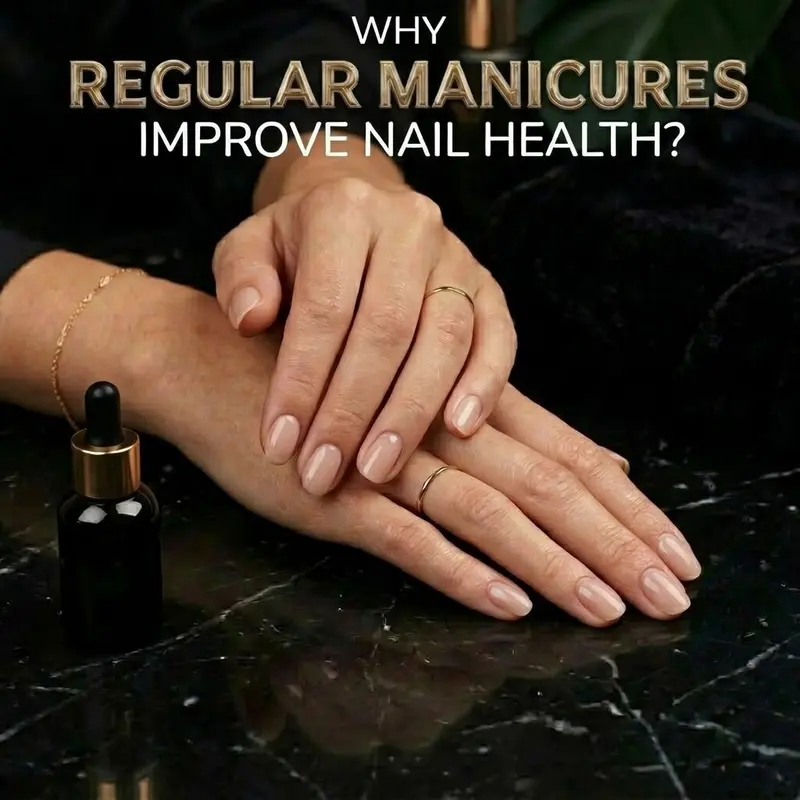
Many people see manicures as purely cosmetic services that only improve how nails look, without influencing their actual condition. This misunderstanding can discourage some from seeking regular professional nail care. In reality, consistent manicures play an important role in keeping nails stronger and healthier, in ways that go well beyond appearance.
With ongoing professional care, nails tend to grow more resilient, resist everyday damage more effectively, and develop fewer issues over time. When you understand how routine manicures support nail health, it becomes easier to view them as essential maintenance rather than an occasional indulgence.
How Regular Manicures Support Nail Health
Professional manicures involve much more than polish and visual appeal. Each appointment includes several steps that directly support nail health. Cleaning, maintenance, and protective measures work together to create an environment where your nails can truly thrive.
You can compare manicures to seeing a hygienist for dental cleanings. Brushing and flossing at home are important, but professional cleanings remove buildup and detect problems you might not notice. Nails work the same way. At-home care matters, but expert maintenance elevates your nail health to another level.
Regular Cleaning Prevents Infections
1. Thorough Removal of Bacteria and Debris
Your nails constantly collect dirt, bacteria, and dead skin. Regular hand washing helps with surface cleanliness but cannot fully address everything. The areas under your nail tips and around the cuticles often retain buildup that daily washing does not reach.
During a professional manicure, these harder-to-clean spots receive detailed attention. Technicians use specialized tools to gently clean under the free edge and around the nail folds. This process removes trapped debris before it has a chance to trigger irritation or infection.
Keeping this buildup under control helps stop bacterial and fungal growth. When moisture and dirt remain under or around the nails, they create ideal conditions for microorganisms to flourish. Routine deep cleaning interrupts this cycle before infections can develop.
2. Proper Cuticle Maintenance
Cuticles act as a natural barrier between the nail plate and surrounding skin. When they become overgrown, dry, or damaged, their protective role is reduced. Split, torn, or frayed cuticles open a pathway for bacteria to enter and potentially cause infection.
Professional cuticle care focuses on removing only excess dead tissue while preserving the healthy seal. This keeps the barrier intact and effective. Careful work in this area helps prevent hangnails and tears, which are common sources of discomfort and infection.
Healthy, well-maintained cuticles also allow moisturizers to absorb more efficiently. When dead skin accumulates, oils and creams cannot penetrate to the areas that need them most. Regular professional attention ensures your at-home hydrating products can do their job.
Early Detection of Nail Problems
1. Catching Issues Before They Worsen
During every manicure, your nails are examined closely. Technicians notice subtle changes in color, texture, thickness, or growth patterns that you might not recognize. This ongoing professional observation works like an early alert system for potential concerns.
Many nail problems are easier to manage when they are identified early. A small fungal spot noticed during an appointment can be addressed before it spreads. A nail that is beginning to grow incorrectly can be guided before it becomes painful or infected.
Certain nail changes may also reflect issues beyond the nails themselves. Shifts in shade, ridging, or altered shapes can sometimes be linked to nutritional, circulation, or other health concerns. When a technician observes these signs, they may encourage you to check in with a healthcare provider.
2. Professional Assessment of Nail Strength
With each visit, your technician can evaluate how strong and flexible your nails are. They can spot if your nails are becoming more brittle, peeling more often, or showing new signs of weakness. This regular assessment makes it easier to adjust your care habits before more serious damage appears.
The insights you receive from frequent manicures help you understand which routines support or harm your nail health. If you change your diet, start a supplement, or switch products, your technician can often see whether your nails are responding positively.
Protection from Environmental Damage
1. Creating a Protective Barrier
Polish and enhancement products form a protective coating over your natural nails. This layer helps shield them from daily wear, including water exposure, chemicals, and physical impacts that could otherwise weaken the nail plate directly.
Water exposure is particularly hard on nails because they repeatedly swell and shrink as they absorb and release moisture. Over time, this ongoing expansion and contraction can compromise nail structure. A properly maintained manicure limits water penetration and helps keep conditions more stable.
This protective layer also offers a barrier against cleaning agents, hand sanitizers, and other everyday chemicals. These substances can strip natural oils from your nails, leading to dryness and brittleness. Having protection in place reduces the cumulative impact of these exposures.
2. Giving Nails Recovery Time
When polish is removed and nothing is applied, nails are more exposed and vulnerable. Regular manicures shorten this unprotected window by keeping nails consistently covered. The brief exposure between services is less harmful than long stretches without any barrier.
A smooth, finished manicure can also discourage habits like nail biting or picking. When nails look and feel even, you are less likely to pick at rough spots or chew on edges without thinking. This extra layer of behavioral protection helps prevent damage caused by stress or boredom.
Improved Circulation Through Massage
1. Stimulating Blood Flow to Nails
Most professional manicures include a hand and lower arm massage that boosts blood flow to the nail area. Improved circulation supplies more oxygen and nutrients to the nail matrix, where new cells are formed, supporting better nail growth.
Massage also helps move metabolic waste out of the tissues. This gentle flushing effect supports overall hand and nail wellness. Regular stimulation helps maintain healthy circulation in the fingers and hands.
Many people notice stronger, faster-growing nails once they start receiving manicures on a consistent schedule. While several factors contribute to this improvement, the circulation boost from massage is an important part of the process. Better nourishment at the source leads to better-quality nails.
2. Promoting Flexible, Healthy Tissue
Massage also keeps the skin and connective tissues around the nails supple. Tight, stiff tissues can restrict growth and contribute to discomfort. Regular, gentle manipulation helps maintain flexibility so nails can grow without interference.
In addition, the calming effect of massage can help reduce stress-related nail damage. Stress often leads to habits like biting nails or picking at cuticles. The relaxation built into regular manicures can support breaking these patterns over time.
Professional Products Make a Difference
1. Higher Quality Than Consumer Options
Products used in professional manicures are often formulated differently from typical retail options. They are designed to nourish the nails while also delivering a polished look. Many salon-only base coats, strengtheners, and treatments are not available for home purchase.
These higher-grade formulas tend to penetrate more deeply and continue benefiting the nail even after polish is removed. Conditioning ingredients build up positive effects over time, supporting stronger, healthier nails with repeated use.
Nail technicians also understand which products best match specific nail types and concerns. They can tailor the products used during your service to address your particular needs, rather than relying on guesswork at home.
2. Proper Application Techniques
Even excellent products will not perform as well if they are not applied correctly. Professional application ensures that base coats, treatments, and polish adhere properly and deliver their full protective and conditioning benefits.
Technicians are trained in how thick to apply each layer, how long to let products dry or cure, and how to seal edges for maximum durability. These details may seem small, but they make a noticeable difference in how well your nails are protected and how long your manicure lasts.
Make Nail Health a Priority
Regular manicures represent an investment in your long-term nail health, not just temporary beauty. The cumulative benefits of consistent professional care compound over months and years, resulting in naturally stronger, healthier nails.
📞 Call to book: (843) 482-0203
📍 Location: 116 Foxbank Plantation Blvd Unit D, Moncks Corner, SC 29461
For reliable, professional nail care that supports long-term nail health, choose iNAILS.