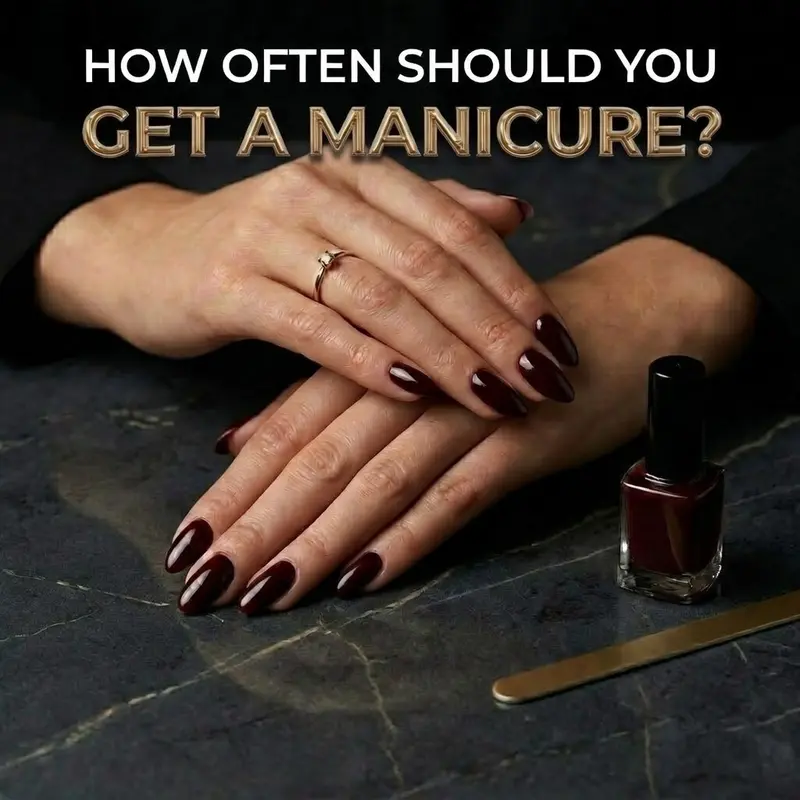
Many people wonder if nail polish helps or harms their nails. Some believe it protects nails from damage, while others think it weakens them. The truth is more nuanced than most people realize.
At iNAILS in Moncks Corner, we help clients understand how polish affects nail health. Here’s what you need to know about nail polish as protection and how to use it properly.
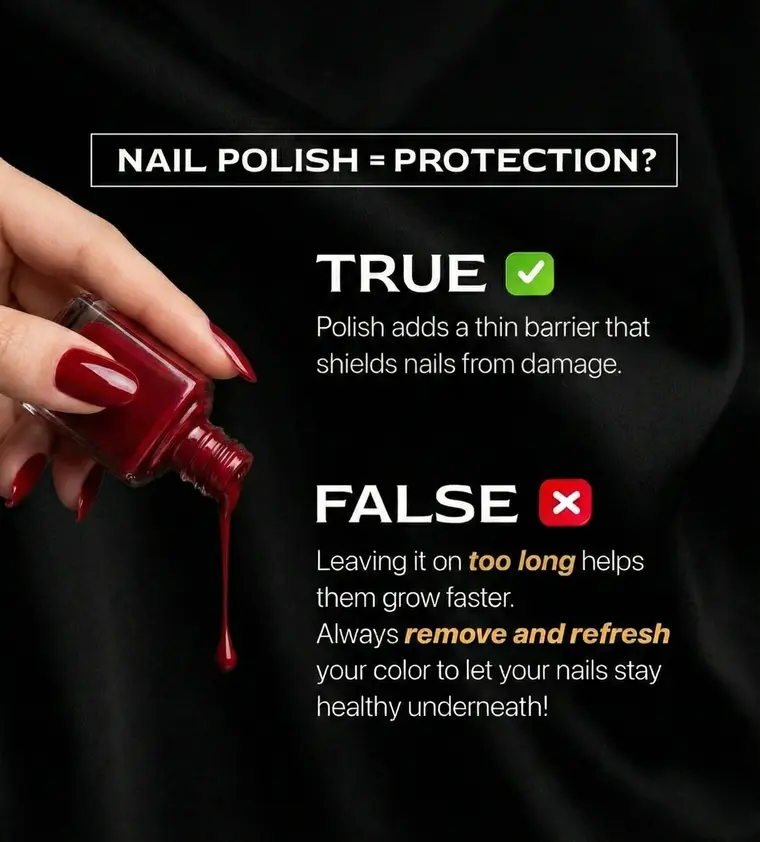
True: Polish Adds a Protective Barrier
Nail polish does provide a thin layer of protection. When applied correctly, it shields nails from minor damage, environmental stress, and moisture loss.
How polish protects your nails:
1. Creates a Physical Barrier
Polish forms a hard layer over your nail plate. This barrier protects against scratches, minor impacts, and everyday wear. It also reduces friction from typing, cleaning, and other activities that can weaken bare nails.
2. Prevents Water Absorption
Nails absorb water easily, which causes them to swell and contract. This repeated expansion weakens nail structure over time. Polish creates a seal that limits water absorption and keeps nails more stable.
3. Reduces Breakage
Polished nails are less likely to catch on things or split. The smooth surface allows nails to glide over fabrics and surfaces without snagging.
4. Locks in Moisture
Polish helps retain natural oils in your nail plate. This keeps nails flexible and less prone to cracking or peeling.
False: Leaving Polish On Too Long Helps Nails Grow Faster
Some people believe keeping polish on for weeks or months helps nails grow faster and stay stronger. This is not true.
Why leaving polish on too long is harmful:
1. Traps Moisture and Bacteria
Old polish can trap moisture between the nail and the coating. This creates an environment where bacteria and fungus can grow. Yellow staining, infections, and weakened nails can result.
2. Prevents Inspection
When polish stays on for too long, you can’t see what’s happening underneath. Nail discoloration, infections, or damage may go unnoticed until they become serious.
3. Causes Staining
Dark polish, especially without a base coat, can stain nails yellow or gray. The longer it stays on, the worse the staining becomes.
4. Weakens Nails Over Time
While polish protects in the short term, leaving it on for weeks without breaks can make nails brittle. The chemicals in polish and remover need time to clear from your nail plate.
The Right Way to Use Polish for Protection
To get the benefits of polish without the downsides, follow these guidelines:
1. Always Use a Base Coat
A base coat protects your natural nail from staining and creates a smooth surface for polish application. It also helps polish adhere better and last longer.
Never skip the base coat, especially with dark or highly pigmented colors.
2. Remove and Refresh Your Color Regularly
Change your polish every 7 to 14 days. This prevents moisture buildup, allows you to inspect your nails, and keeps polish looking fresh.
For gel polish, remove it every 2 to 3 weeks. Leaving it on longer increases the risk of damage and infection.
3. Give Your Nails Occasional Breaks
While polish can be worn continuously with proper care, taking a break every few months allows your nails to fully dry out and recover. This is especially helpful if you notice yellowing or brittleness.
During breaks, focus on hydration with cuticle oil and hand cream.
4. Remove Polish Gently
Use acetone-free remover when possible, and never peel or scrape off polish. Aggressive removal damages the nail plate and weakens nails.
For gel polish, soak it off properly or have it removed professionally. Picking at gel polish removes layers of your natural nail.
5. Moisturize Your Nails and Cuticles
Polish protects from external damage, but nails still need hydration. Apply cuticle oil daily to keep nails flexible and healthy underneath the polish.
What About Nail Strengtheners?
Nail strengtheners claim to make nails harder and less prone to breaking. Some work temporarily, but they can also make nails too rigid.
The truth about strengtheners:
Healthy nails have some flexibility. Hardening products can make nails brittle and more likely to crack under stress. If your nails are weak, focus on hydration and proper care rather than chemical strengtheners.
Signs Your Polish Routine is Harming Your Nails
Watch for these warning signs:
- Yellow or discolored nails
- Nails that feel dry, brittle, or thin
- White spots or ridges appearing more frequently
- Nails that peel or flake easily
- Increased breakage despite wearing polish
If you notice any of these, take a break from polish and focus on nail recovery. Moisturize daily and avoid harsh chemicals until nails improve.
Polish as Part of a Healthy Nail Routine
Polish can be protective when used correctly. It’s not a substitute for proper nail care, but it’s a helpful tool when combined with good habits.
Healthy nail routine includes:
- Regular polish changes every 1 to 2 weeks
- Always using a base coat
- Gentle removal with quality remover
- Daily cuticle oil application
- Occasional breaks to allow nails to rest and rehydrate
- Professional manicures for best results
When you balance protection with care, polish enhances nail health rather than harming it.
Keep Your Nails Protected and Healthy
Polish protects your nails when applied and maintained properly. Don’t leave it on for too long, and always refresh your color regularly to keep nails healthy underneath.
📞 Call to book: (843) 482-0203
📍 Location: 116 Foxbank Plantation Blvd Unit D, Moncks Corner, SC 29461
Keep your nails protected and healthy at iNAILS ✨